Understanding and Preventing Autistic Elopement: A Safety Guide for Parents and Schools
Updated on February 23, 2026 Listen to the PodcastAutistic elopement—commonly referred to as wandering—is a widespread yet often misunderstood safety concern for families and schools. When an autistic child leaves a supervised environment unexpectedly, it can be frightening and dangerous. Too often, elopement is mistaken for defiance or poor behavior, when in reality it is usually driven by unmet sensory needs, curiosity, anxiety, or an attempt to escape overwhelming situations. Understanding why, when, and where elopement happens is the first step toward preventing it.
Parents, educators, and caregivers must work together to anticipate high-risk situations, recognize early warning signs, and put clear supports in place. This guide outlines practical prevention strategies at home and at school, explains how to build an effective autism emergency plan, and explores the leading autism elopement tools that can help reduce risk and improve response times—empowering families and schools to act proactively rather than reactively.
What Is Autistic Elopement?
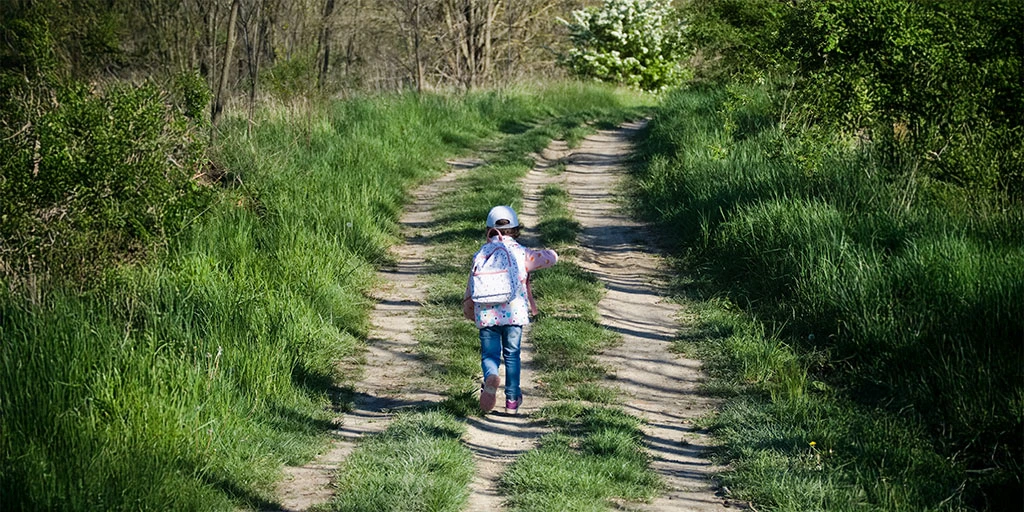
The terms “autistic elopement” and “autistic wandering” are often used interchangeably. However, in a psychological context, elopement and wandering are not identical. “Wandering” (the more common term) refers to a semi-conscious action by someone who does not understand that they are about to get lost. That’s why dementia patients often struggle with this.
In comparison, elopement has a purpose. You might think of it as running towards something, as opposed to running away. There are various reasons why this happens (see examples below). For caregivers, it’s critical to be aware of common scenarios when it can happen, such as:
- Moving between classrooms and other transitions
- Going to/from school or when using public transportation
- Momentary lack of supervision at home or outside or in a public place, for example in a store
A report published by the US Centers for Disease Control states that approximately half of all children with autism spectrum disorder attempt to wander. Although both verbal and nonverbal children may elope, the incidence increases according to the support level required by the child. For instance, a child with Level 3 autism will try to elope more often than a child with Level 1 autism.
Why Autistic Children Wander
Researchers have studied elopement patterns to better understand how to prevent it. They have learned that wandering is a form of communicating about an unmet need. This could be a positive need, i.e. an interest in something new, or it could be negative, as a form of getting away from something unpleasant.
It is critical for you – as a caretaker, educator, or parent – to familiarize yourself with the specific behavior of the individual child and what might trigger elopement. For example, if your autistic child has shown a fascination with water in the past, you need to be extra careful around pools, lakes, etc.
Of course, there is no guarantee that a new attraction might cause elopement.Many autistic children may not fully recognize environmental dangers. and don’t understand why going somewhere new on their own might be a problem. That’s why preventing wandering begins with understanding the common causes and triggers. We’ve outlined five of them below:
Attraction to Specific Places
Many individuals with autism are attracted to water. This goes hand in hand with “special interests” often seen amongst the autism community, where the person develops a fascination or intense focus on specific places. This can be anything from a quiet forest to a city skyline’s architecture to a great viewpoint of trains or planes – the range is quite diverse.
Movement and/or Curiosity
People with autism, like all people, are curious – and this can drive them to seek physical activity and head outdoors. For example, train spotting is popular with many autistic people. That might sound innocent, but should ring alarm bells – as railyards are extremely dangerous. Think about what triggers this child’s curiosity, and plan accordingly.
Difficulty with Transitions
Autistic individuals, in general, like routine and focusing on an activity. Transitions of any kind can be difficult, as they may not want to be “pulled away” from something they enjoy. They may opt to avoid these disruptions by physically moving away, or wandering. Common examples include moving between classes, before/after recess at school, or before bedtime at home.
Sensory Overload
Many autistic people are highly sensitive to their surroundings. Too much light, noise, smell, or other sensory input are just a few of the triggers that can cause an autistic person to search for a way out of their immediate surroundings.
Escape from Stress
The environment is only one cause of stress. Another is human interaction, such as an unpleasant exchange with another child or authority figure. Even something that seems small or harmless, such as a favorite toy that has gone missing, can lead to stress and trigger an autistic person to leave the area that is upsetting them.

The Risks and Real-World Impact of Elopement
Preventing elopement is not simply about avoiding stress or inconvenience—it is about preventing life-threatening situations. Many elopement incidents have ended in tragedy, particularly when water, traffic, or extreme weather are involved.How does this happen? For example, autistic people who wander into traffic can be killed. Or, their fascination with water can lead to drowning; this article reported that autistic children are 160 times more likely to drown than other children. Going outside not properly dressed during extreme heat or cold is also a great risk because an autistic person might not know how to care for themselves in this exposure. When an autistic person finds themselves in an unfamiliar or dangerous place, they can be assaulted. Similarly, the stress that occurs when an autistic child finds that they are lost can lead to a meltdown that requires a long recovery period.
There are other, less obvious costs that result from autistic wandering. Even if the autistic person is located quickly, families, school officials, and other caregivers also suffer, both emotionally and financially, particularly when their careful autism wandering prevention steps fail. It leaves them wondering what they can possibly do differently. This is even more so when location efforts take a long time and emergency responders need to be called in to help.
Early Warning Signs and High-Risk Situations
The starting point for your personal autism safety guide is prevention. Autistic people exhibit behavior that suggests when they are experiencing stress, which means they are facing a greater chance of elopement. Remember the environments where this risk increases: during transitions, in crowded or overwhelming places, during unstructured time, near water and other outdoor activities, school recess, etc. Familiarize yourself with the common indicators and early warning signs:
- Pacing
- Frequent looks in the direction of the attraction
- Fixation on exits
- Verbal or physical outbursts
- “Stimming”
- Silence or lack of response to questions
Your first reaction to any of these indicators should be a heightened sense of alertness. If you have other caregivers nearby, let them know that you are noticing warning signs. If the autistic person will respond, ask them what is bothering them. If there is a quiet area or calming device that the child likes, offer it to them immediately, but stay cautious.
Preventive Strategies at Home
Any move you make to prevent wandering should be supported by measures that help before, during, and after potential elopement.
Start by strengthening environmental safeguards. Install door and window alarms, use secure locks, and create clear physical boundaries such as fenced yards. One step that is sometimes overlooked is to tell your neighbors that your autistic child might wander onto their property, and so encourage them to lock their own gates, particularly if they have a swimming pool. Some parents even distribute pictures of and contact information for their autistic child, which can really help if they are seen by neighbors when wandering around.
Next, educate your child about the risks of wandering and teach them behavior to prevent it. Social stories are a great method of describing why elopement happens and how it is something to avoid. Building structured routines along with predictable transitions also helps. Finally, encourage your autistic child to communicate when they are feeling stress and maybe thinking about elopement, including when at school. Offer them autism-friendly communication supports, such as the AngelSense wearable device.
Preventive Strategies at School
Hopefully, you’ve been developing your abilities as an advocate at your child’s school. This effort will really pay off when making sure that autism school safety strategies have been adjusted for the particular needs of your child.
School-based methods for preventing elopement should cover:
- Classroom seating plans that put your kid in front of the teacher and away from exits and disruptive children
- Visual schedules with transitions that are announced ahead of time
- Supervised movements between classes, in the yard, and during lunchtime
- Safety check-ins and staff who are trained for emergencies
- Physical measures like sensory accommodations and designated safe spaces
Even before wandering becomes a problem, you should get elopement prevention included in your child’s IEP or 504 plans.
Finally, an open line of communication with stakeholders at your child’s school is essential. You should discuss your child’s individual triggers and create a “safety profile” with photo, description, triggers, and calming strategies. School staff should be made immediately aware if you think your child is showing signs of potential wandering.
Creating an Emergency Action Plan
Just as your child’s school should be prepared for emergencies, you also need a personalized action plan. It should cover simple instructions about what to do in case your child wanders. This includes the phone numbers of caregivers, the school, and emergency responders, as well as what information to have ready, like name, photo, and time/location of last known whereabouts. Nowadays, emergency responders can easily communicate through messaging apps to receive images and stay in constant contact with you.
Technology and Tracking Tools for Safety
Tools such as GPS location tracking, geofencing alerts, and real-time monitoring help caregivers keep track of a child’s movements throughout the day—during school hours, transportation, extracurricular activities, and time at home. But unlike basic ID tags (such as Apple AirTags) or consumer trackers designed for pets and suitcases, assistive safety technologies like AngelSense were designed specifically for individuals with autism – and support ongoing supervision, communication, and coordination among caregivers.
AngelSense provides continuous location tracking, instant alerts when a child leaves a designated safe area, and real-time updates that help caregivers understand where their child is and how they are moving. These insights are especially valuable during transitions, unstructured times, or transportation to and from school—moments when elopement risk is often higher.
AngelSense also includes communication and emergency tools that enable faster, more coordinated responses when needed. Multiple caregivers can securely share a child’s real-time location and identifying information with school staff or emergency responders, reducing response time and confusion during a search. Just as importantly, the wearable device is designed with sensory sensitivities in mind, helping ensure that children can comfortably wear it as part of their everyday routine.

Working Together to Keep Children Safe
Autistic elopement is not a failure of supervision or behavior—it is a safety challenge that can be addressed through understanding, preparation, and teamwork. When parents, educators, and caregivers collaborate and plan proactively, the risks associated with wandering can be significantly reduced. Approaching elopement with compassion rather than blame allows adults to focus on what truly matters: identifying triggers, supporting communication, and creating environments where autistic children feel safe and understood.
Prevention works best when it combines awareness, structured routines, clear emergency planning, and the right supports in both home and school settings. Technology should be viewed as an added layer of safety. Tools like AngelSense help caregivers stay connected, respond faster when needed, and gain daily reassurance—while still allowing autistic children to explore, learn, and move through the world with greater confidence and freedom.
Get peace of mind from AngelSense, the groundbreaking AI-based assistive technology designed to enhance safety and peace of mind for individuals with special needs and their families. Our solution ensures you stay connected with your loved ones, empowering a higher level of independence while maintaining safety. Learn more about how AngelSense can make a difference for your family.