School Safety and Autism: A Guide to Monitoring and Support Systems
Updated on April 20, 2026Ensuring safety for your autistic child at school is one of the most important—and complex—parts of choosing and navigating an educational environment. School safety and autism intersect in ways that go beyond typical concerns: students may wander unexpectedly, struggle with communication during moments of distress, or become overwhelmed by sensory input in busy, unpredictable settings. These challenges mean that even well-intentioned supervision can fall short without the right supports in place. Effective monitoring for autistic students is not about a single solution—it requires a thoughtful combination of tools, trained staff, and clearly defined protocols working together throughout the school day.
So how can families evaluate whether a school is truly prepared? When considering any school, you’ll need to ask questions like: what kinds of monitoring for autistic students does the school use? Does the school have autism wandering prevention measures in place, especially during transitions, recess, or arrival and dismissal? How are communication barriers addressed in real time? Their answers will shed light on how this particular institution approaches safety. From there, ongoing collaboration and research can help you identify the devices, strategies, and solutions that best support your child—creating a more secure environment both inside and beyond the classroom.
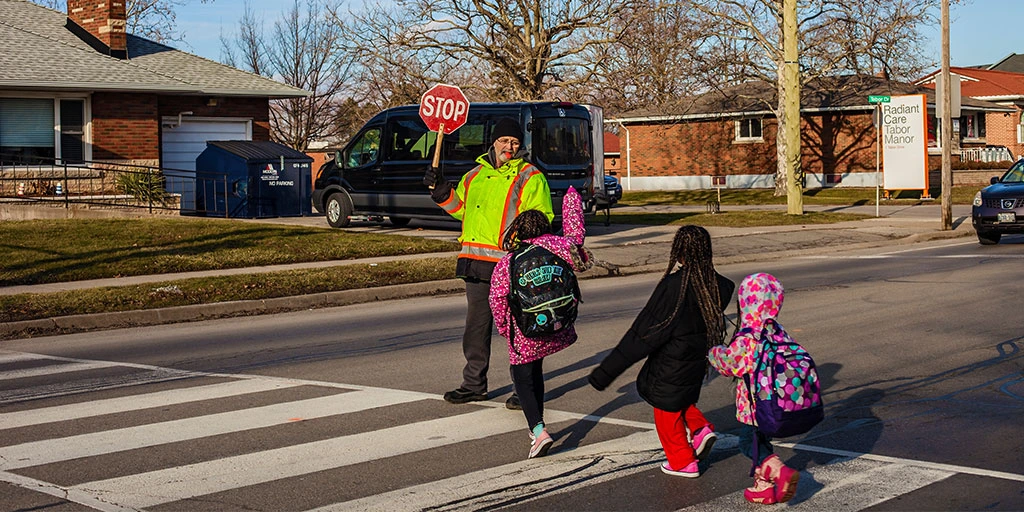
Why Safety Monitoring Is Critical in Schools
Parents of autistic children have more options than ever before for finding the best educational environment. If you live in the USA or Canada, there are a vast number of institutions available that serve children at all levels of autism. Some states/provinces have even built public school systems that incorporate many support options for autistic students. Take, for example, standout states like California and Florida.
Despite all this progress, even the best schools present unique safety challenges for kids with autism. These risks include:
- Many people with autism tend to wander, simply because they get distracted, or as a response to stress, and a lack of supervision in school increases this risk.
- Large campuses mean that there are many ways to get lost, as well as to hide, which makes locating an autistic person difficult and time-consuming.
- Transitions between classes complicate this by adding time pressure that can make it more stressful for a student with autism to get to the right room on schedule.
- Busy environments, in general, are disorienting, and also create more chances for triggering sensitives, meltdowns, and bullying.
- Even for a relatively responsible student who understands the importance of noticing their own emotional distress, a lack of communication skills might prevent a timely intervention.
- With the reduced one-on-one supervision that comes with public schools and on university campuses, there’s a greater chance that a missing student won’t be noticed for a while.
All of these hurdles demonstrate the need for proactive safety planning by caretakers.
Communication Tools for Student Safety
“Safety” is not only about physical danger. Individuals with autism face emotional challenges throughout everyday life, and when things go wrong, their stress or anxiety can be overwhelming. When considering school safety technologies for people with autism, tools that allow your child to avoid panic and meltdowns can be just as important as knowing how to call 911.
That’s why autism communication devices for school use come in various forms and with different purposes. But they all have one thing in common, in that they help students with communication difficulties to express their needs quickly and clearly:
1. AAC Devices
Augmentative and alternative communication tools such as word cards, push button devices, applications, and tablets come with many levels of vocabulary and complexity, but can’t all be used to express emotional difficulties and ask questions.
2. Wearable Communication Buttons
This is a small AAC device that is based on AAC push buttons and is preprogrammed with messages and activated by the user. For example, a single button might have a voice recording of the student’s name and phone number, while a 4-piece set will contain a number of messages.
3. Simplified Calling Systems
These devices replace keypads and address books with preprogrammed numbers, sometimes accompanied by photos, which can be called with the touch of one button. Device options usually eliminate complicated menus and allow access without the need for a password or PIN.
4. Teacher-Student Communication Plans
Direct meetings with teachers are essential for your child’s education. There is a lot to cover during these sessions, including your child’s preferred communication method, their school’s procedures, and any individual communication characteristics that the school should know about.
Role of Staff Safety Training and Supervision
At a good school, your child’s teacher can serve as a trusted mentor or role model, providing support that complements what they receive at home.
Your child’s teacher should take interest in crucial safety issues like the tendency to wander, related early warning signs of stress, and specific triggers. Teachers will naturally need to know about the steps to take in case of an emergency.
Additionally, the school should have defined supervision strategies during transitions, recess, and unstructured time. These should be backed up by, for example, video cameras and controlled access points. Some schools have security officers; they should be familiar with the autistic students and possess expertise in securing entry and exit for school grounds.
Finally, 504s and IEPs with an autism safety plan are also important. You can include safety training in an individualized education program, as well as permission from the school to allow certain safety tools for communication and tracking.
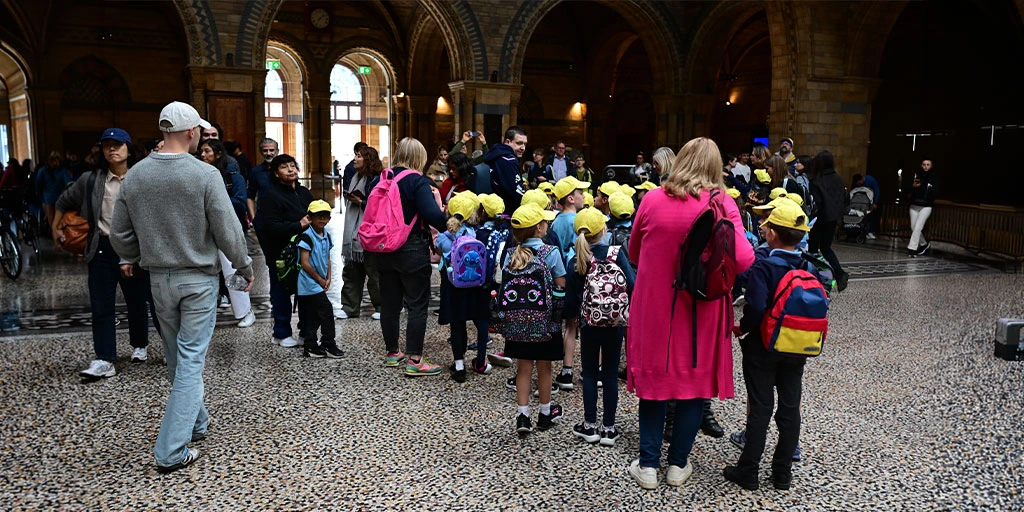
Privacy, Ethics, and School Policies
This brings to mind another important consideration: school policies. Just as your child’s school has the right to control what kinds of devices are allowed on campus and how they should be used, you also need to think about the private information that a school has access to due to monitoring. For instance, video camera data can be abused, while confidential student information can be leaked or accessed without your permission.
Ideally, your child’s school should have clear and transparent privacy guidelines. These will specify the institution’s approach to issues such as privacy considerations, parental consent, and data protection. But if you are still shopping around, make sure to ask about this issue. Many schools have an ethics statement that can be easily located on their website.
If you are using a safety technology that can share information with a school (such as a GPS tracker, see below), check that the technology provider has its own privacy measures, such as encryption and login permissions.
GPS & Location Tracking Solutions in Schools
There is no shortage of stories about autistic kids wandering, even while being closely supervised by their parents at home. So it’s all the more likely that, in the often-hectic environment of school, the risk of wandering is even greater.
Indeed, a school environment is full of these opportunities:
- While moving between classes, recess, and breaks for lunch and the bathroom
- Getting on and off the bus
- During field trips and assemblies
The very real threat of wandering from school means that it’s a wise move to add a GPS tracker for school autism to your shopping list.
Once teachers or administrators realize that an autistic child is missing, speed is of the essence. Moving quickly minimizes the search area and the chance of disaster.
Your best bet is a specialized autism tracker device that provides immediate alerts when a student leaves the area where they should be and that can trace their route in real-time. The top school tools for autism safety include features like geofencing around school boundaries; they will also allow administrators and parents to easily collaborate and share tracking information, because school staff will most likely be physically closer to a wandering child than their parent is. Because a child will sometimes hide somewhere in their school, any wearable safety device for autistic people should be able to connect with whatever wireless system is available indoors, on top of satellite signals.
AngelSense – Your School Failsafe
One autism classroom safety strategy being used by hundreds of thankful parents is AngelSense. They have found that, when every other measure for special needs school safety fails, they can depend on AngelSense assistive technology. The AngelSense range of wearables delivers features such as:
- GPS-based tracking with real-time updates and near-universal connectivity (through WiFi)
- A caregiver app that provides automatic alerts based on AI-generated geofences that you can adjust
- Location sharing with school administrators and first responders
- Communication tools like one- and two-way calls, SOS button, and voice messaging
- School-focused features such as dashboards and voice function controls
AngelSense provides many capabilities that empower autistic students, while providing an emergency solution failsafe.
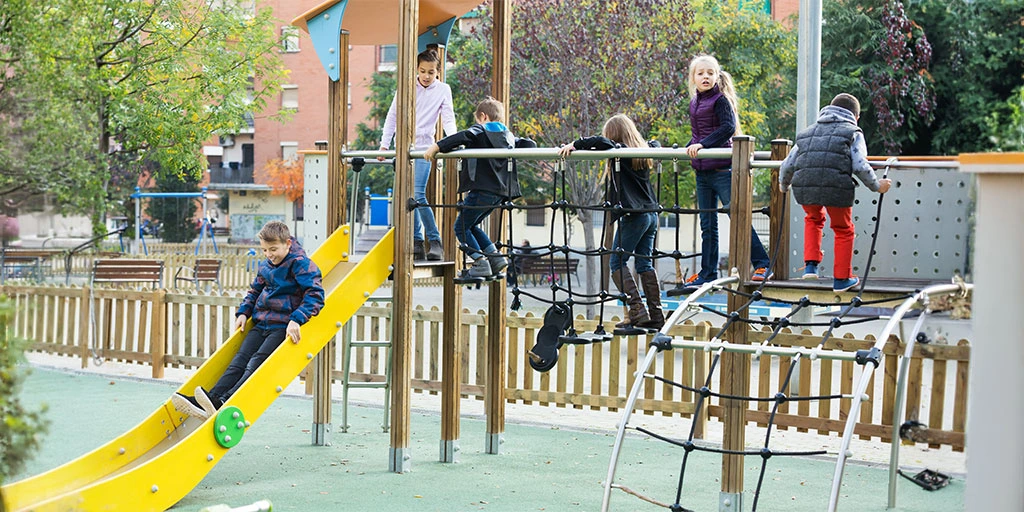
Choosing the Right Tools for a School Environment
The effectiveness of autistic student safety devices and strategies comes down to three things (which we lay out below). Caregivers who are also advocates can optimize the security of their children by thinking carefully about each of these factors:
The School’s Current Safety Procedures
It will definitely be an uphill battle to change an institution’s approach to safety. Parents can talk to elected representatives and school officials. But it’s likely more efficient to choose a school based on existing policies and practices. Be sure to look into:
- Secured entry/exit points
- Modern and functioning alarm systems
- Staff alert protocols
- Structured environments that contribute to safety monitoring (for example, teachers who supervise at recess, between classes, and student drop-off/pick-up)
A school that serves students with autism should have best practices in place that demonstrate how they handle their unique challenges. For example, the presence of visual schedules and safe spaces for sensory regulation are good signs that the school has the correct approach.
Tools Chosen by Parents
Caregivers actively seeking to improve their child’s level of safety and independence are constantly checking out new devices. Some of them won’t make the cut. But, for those that produce results, the next step is to decide if it will also be beneficial in a learning environment. For instance, if your child really likes a certain AAC device, you should find out if they can take it into the classroom.
School-Caregiver Agreement
We’ve talked about IEPs as an opportunity for parents to discuss the usage of safety tools for autistic students. This is an important step, and parents should not assume that every tool is permitted. For instance, noise-cancelling headphones, which are used by many students with autism, might not be acceptable in the classroom. Make sure to get a clear agreement from the school to avoid any unpleasant interactions in case a teacher claims that a certain device is not allowed.
Finally, keep in mind that not every school can provide the best safety measures. When doing your research, keep an eye out for the following:
- A clear statement by the school that shows they understand and care about the needs of autistic students.
- A limited number of students per classroom and a low teacher-student ratio to provide individualized attention.
- Staff that is trained to teach and support people with autism.
- Budget level that reflects a financial ability to afford top-notch security measures and staff.
- Frequent collaboration between educators, on-site therapists, and families when selecting tools.
Balancing Safety with Independence at School
Balancing safety with independence is one of the most important goals in any school setting for autistic students. While close supervision and reliable systems are essential, students also need opportunities to build confidence, make choices, and navigate their environment with increasing autonomy. The right approach recognizes that safety measures should support—not restrict—growth. Thoughtfully chosen autism safety devices for school, along with clear routines and trained staff, can create a framework where students are protected while still encouraged to develop independence.
A student might begin with close supervision and simple communication tools, then progress to using wearable devices for check-ins, navigating short transitions independently, or participating in less structured activities with staff monitoring from a distance. Each step builds skills while maintaining a safety net. Ultimately, effective safety monitoring is not about control—it’s about coordination. When technology, staff awareness, and structured systems work together, schools can create an environment where autistic students feel secure enough to take risks, explore their surroundings, and grow into greater independence with confidence.
Get peace of mind from AngelSense, the groundbreaking AI-based assistive technology designed to enhance safety and peace of mind for individuals with special needs and their families. Our solution ensures you stay connected with your loved ones, empowering a higher level of independence while maintaining safety. Learn more about how AngelSense can make a difference for your family.